Robotic platforms

Choose access first. Configure intelligence around it.

HYVIS combines purpose-built mobility, configurable payload interfaces and one operational workflow around the route, task and environment.

Compare platforms
Access-ledPayload configurablePilot validated
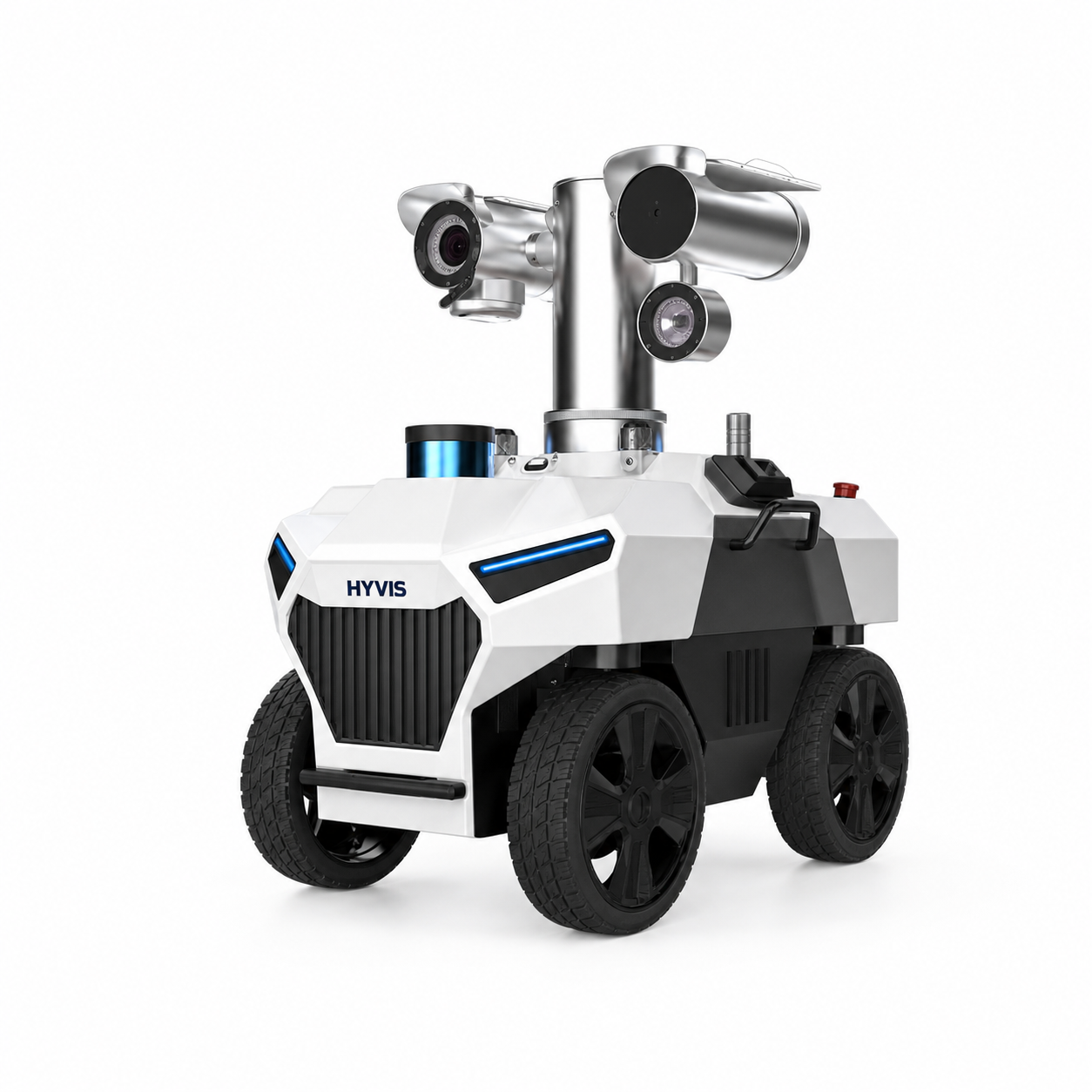
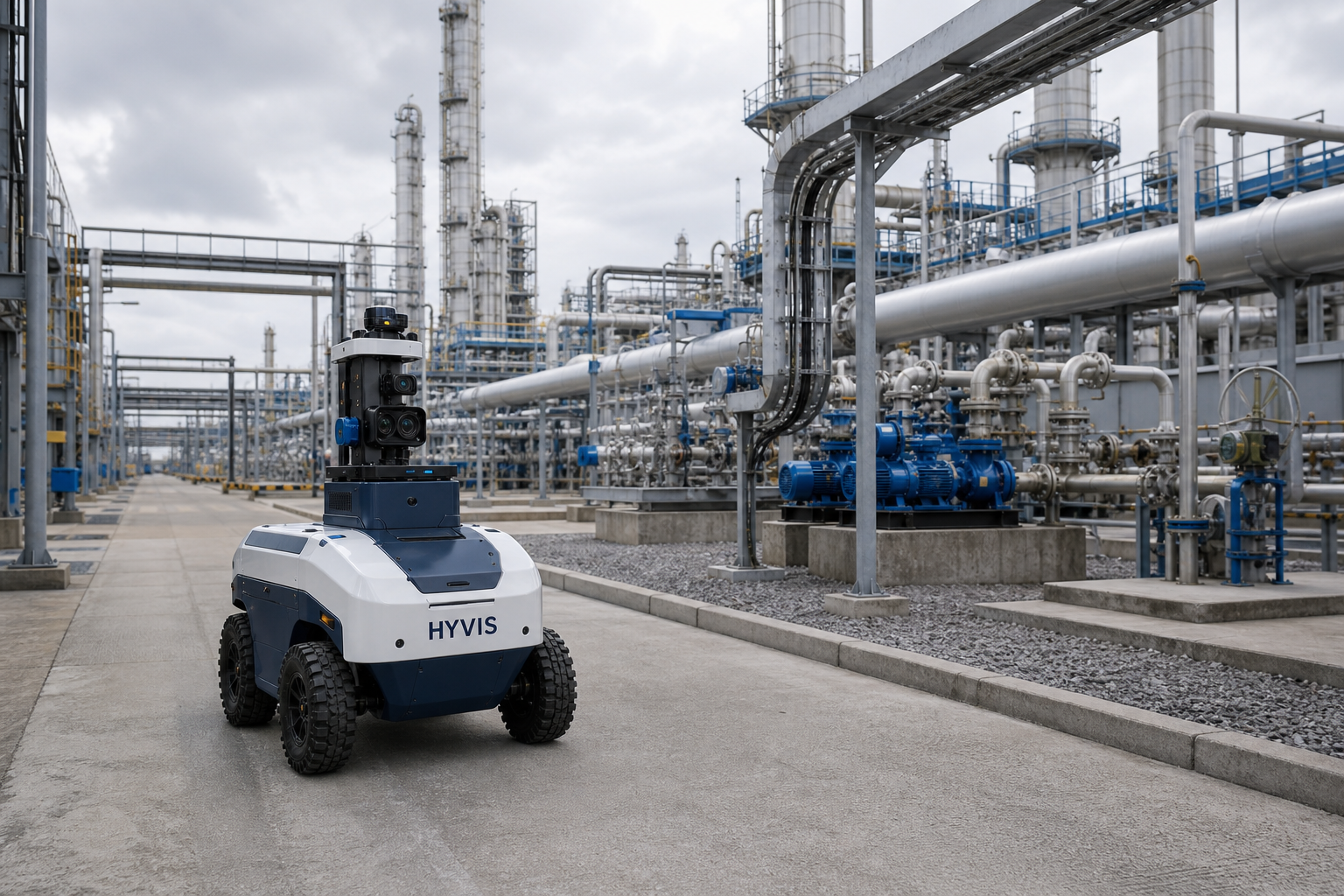
HYVIS rugged inspection platform operating in a process facility

Configuration logic

Access · Payload · Workflow

Platform principle

One mission layer. Multiple ways to move.

Route

Mapped

Payload

Configured

Workflow

Connected

Platform portfolio

Match the form to the work.

Platform selection starts with physical access and the task—not a model number. Choose a family to see the route, payload and validation considerations.

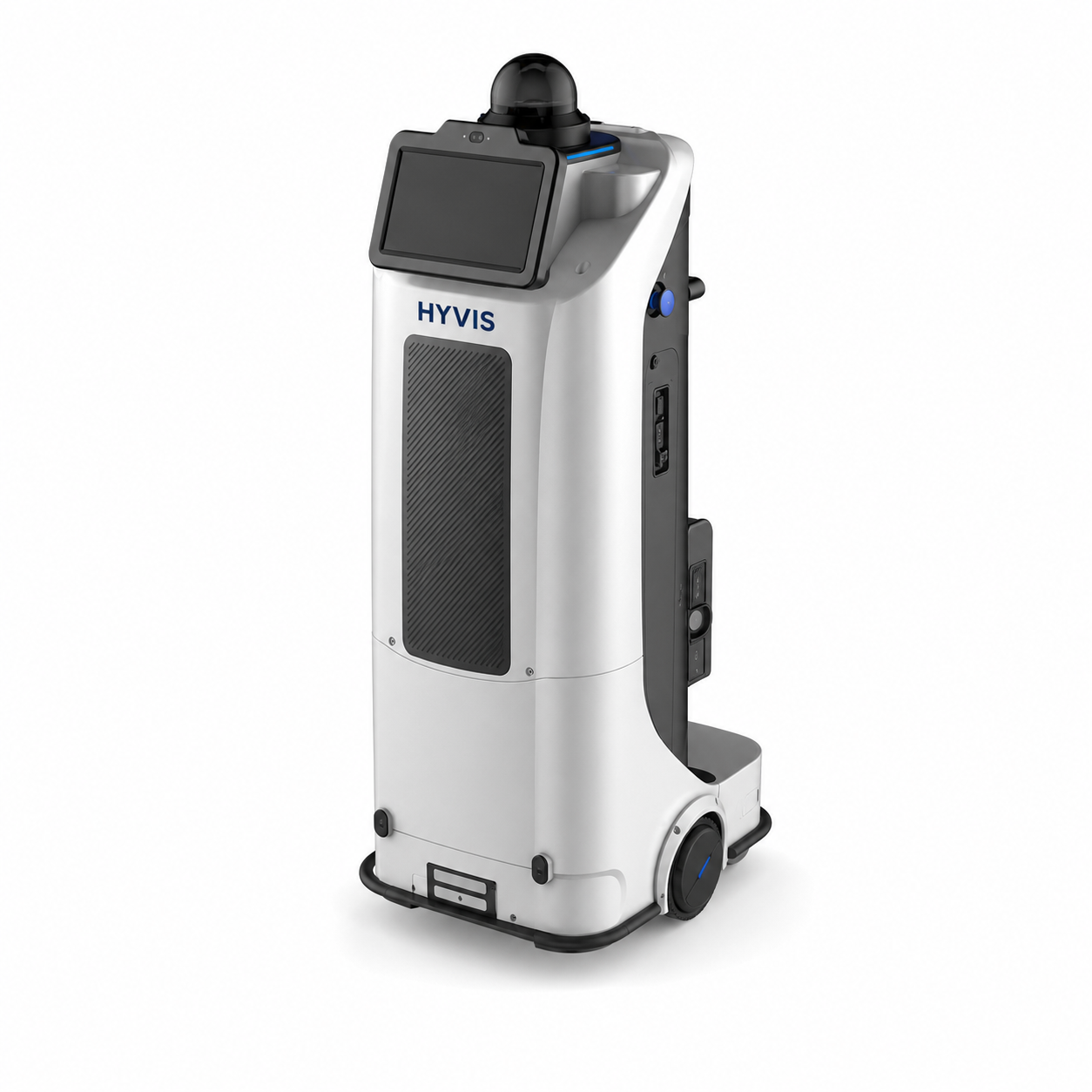
Flexible indoor access

01 / 06

A compact base for repeatable inspection routes.

Configure a low four-wheel platform for visual, thermal and environmental inspection across structured production, utility and technical spaces.

Route type

Dynamic indoor routes

Access

Floor-level aisles and equipment zones
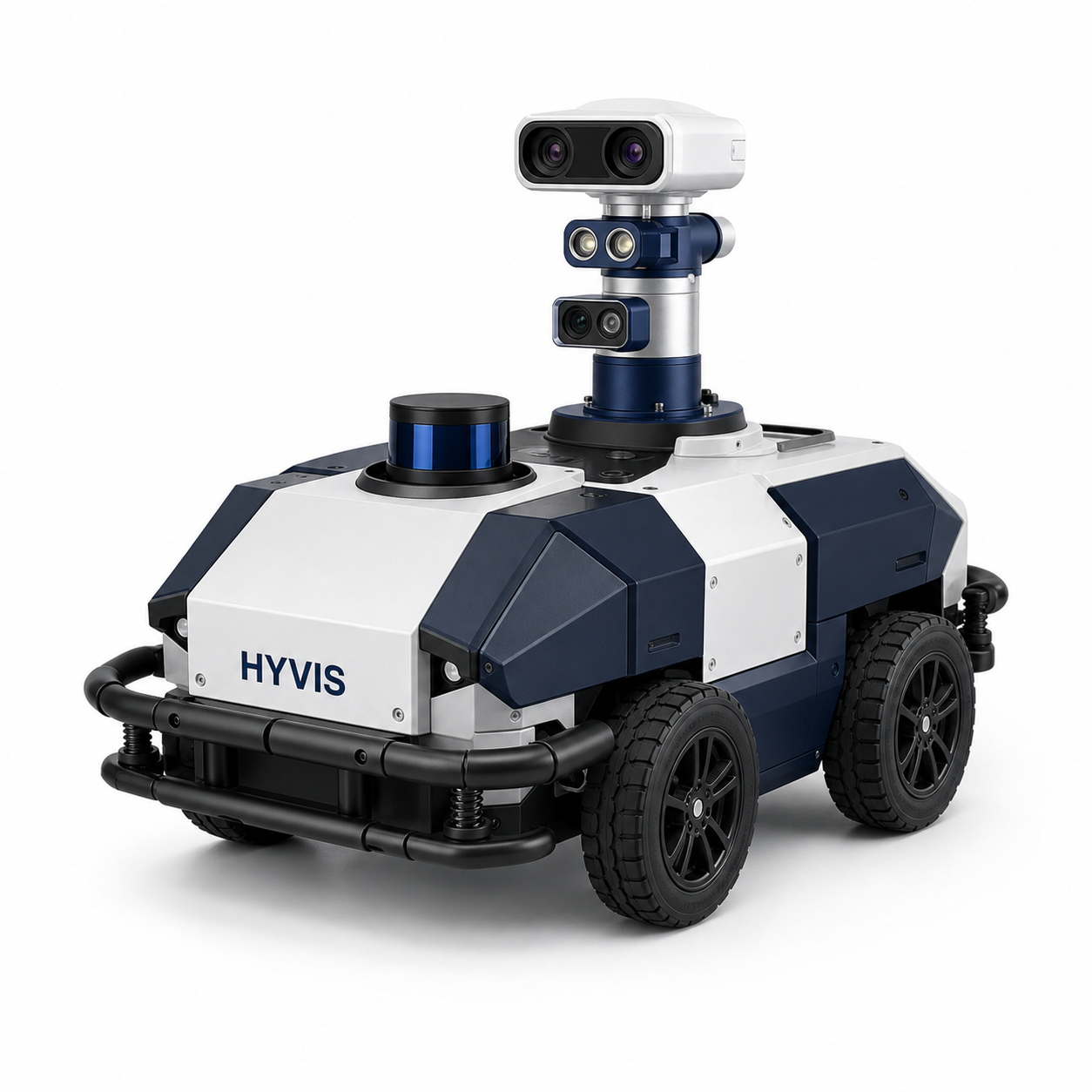
Compact four-wheel HYVIS indoor inspection rover with a spring-mounted contact bumper isolated on white
Representative configuration · Compact indoor rover

Configuration capabilities

  • Visual and thermal payload support
  • Configurable inspection-point height
  • Autonomous mission and charging workflows
  • Obstacle-aware route configuration
Selection note: Aisle width, floor transitions, target height and traffic interaction shape the final configuration.

Best fit

FactoriesElectrical roomsUtility spacesProduction support

Selection workflow

From workplace constraints to a validated configuration.

A platform is selected as part of a complete operating workflow. Route access, task design, payloads and safeguards are validated together.

  1. 01

    Map access

    Measure route and workplace constraints

  2. 02

    Define the task

    Inspection, transfer or intervention

  3. 03

    Select payloads

    Sensors, modules and interfaces

  4. 04

    Set safeguards

    Traffic, stopping and supervision

  5. 05

    Pilot validate

    Prove the complete workflow on site

One coordinated system

Configure the stack—not just the chassis.

Mobility becomes useful when access, payloads, safeguards and operational outputs are designed as one system.

Mobility & access

Choose ground, slim-aisle, rugged outdoor or fixed-rail movement around the actual route.

Payload interface

Configure sensor masts, lift modules, docking surfaces, transfer interfaces or operation tooling.

Safety & localisation

Define route rules, traffic interaction, stopping behaviour, service points and supervised zones.

Mission & integration

Connect tasks, evidence, alerts and handoffs to the facility's operating workflow.

Platform comparison

Compare the operating fit.

Use this as an orientation guide. Final platform form and modules depend on the measured route, task and site validation.

Platform familyMobilityRoutePayload focusBest use
Compact indoor roverDynamic indoorFlexible floor routesInspection sensorsGeneral industrial inspection
Slim aisle platformDynamic indoorNarrow technical aislesCompact sensingDense rack and equipment rows
Rugged outdoor platformDynamic outdoorMixed surfacesProtected sensingDistributed process assets
Overhead rail platformFixed overheadRepeatable rail pathInspection sensorsRestricted or busy floor areas
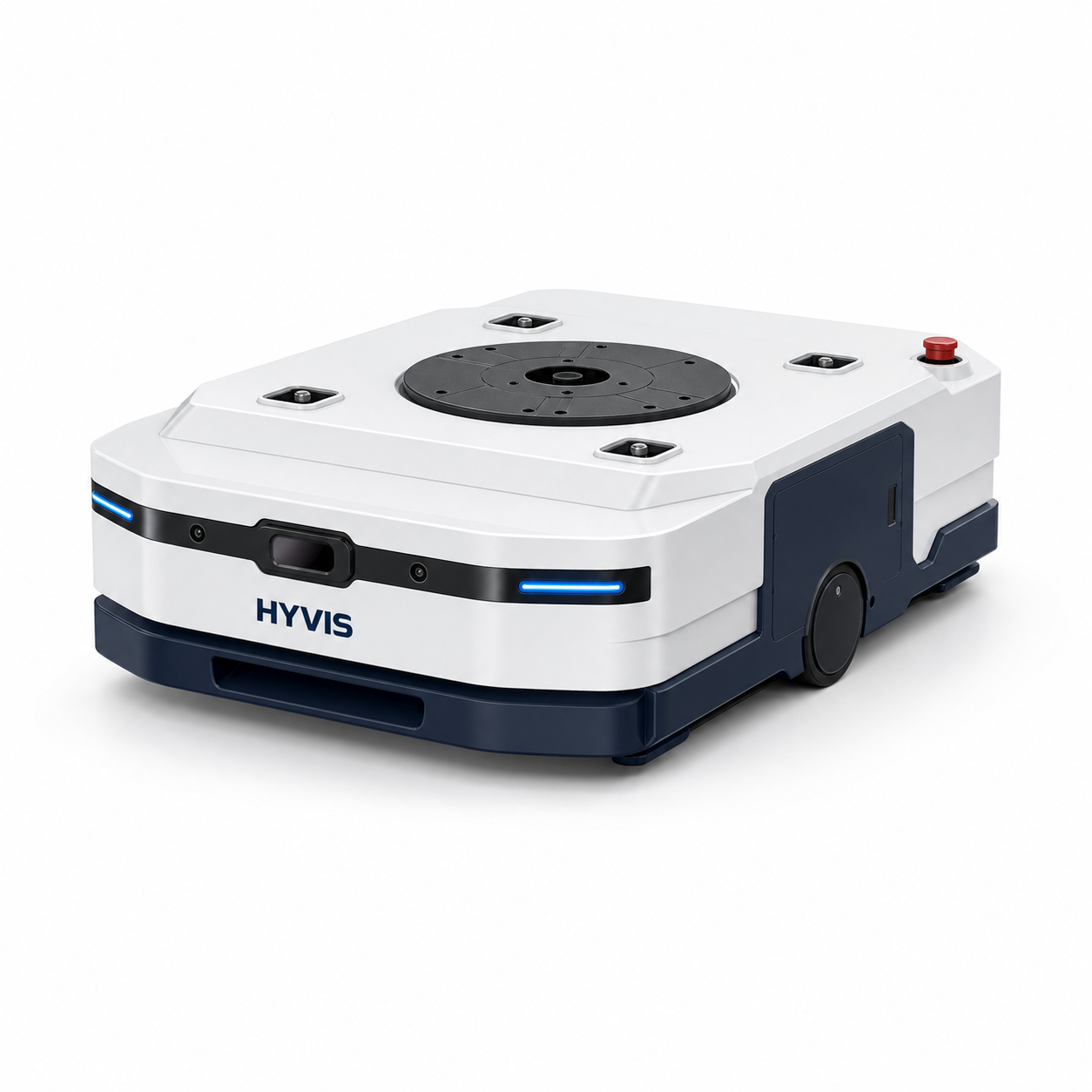
Material transfer baseDynamic indoorStation-to-stationLift or docking moduleMaterial movement workflows
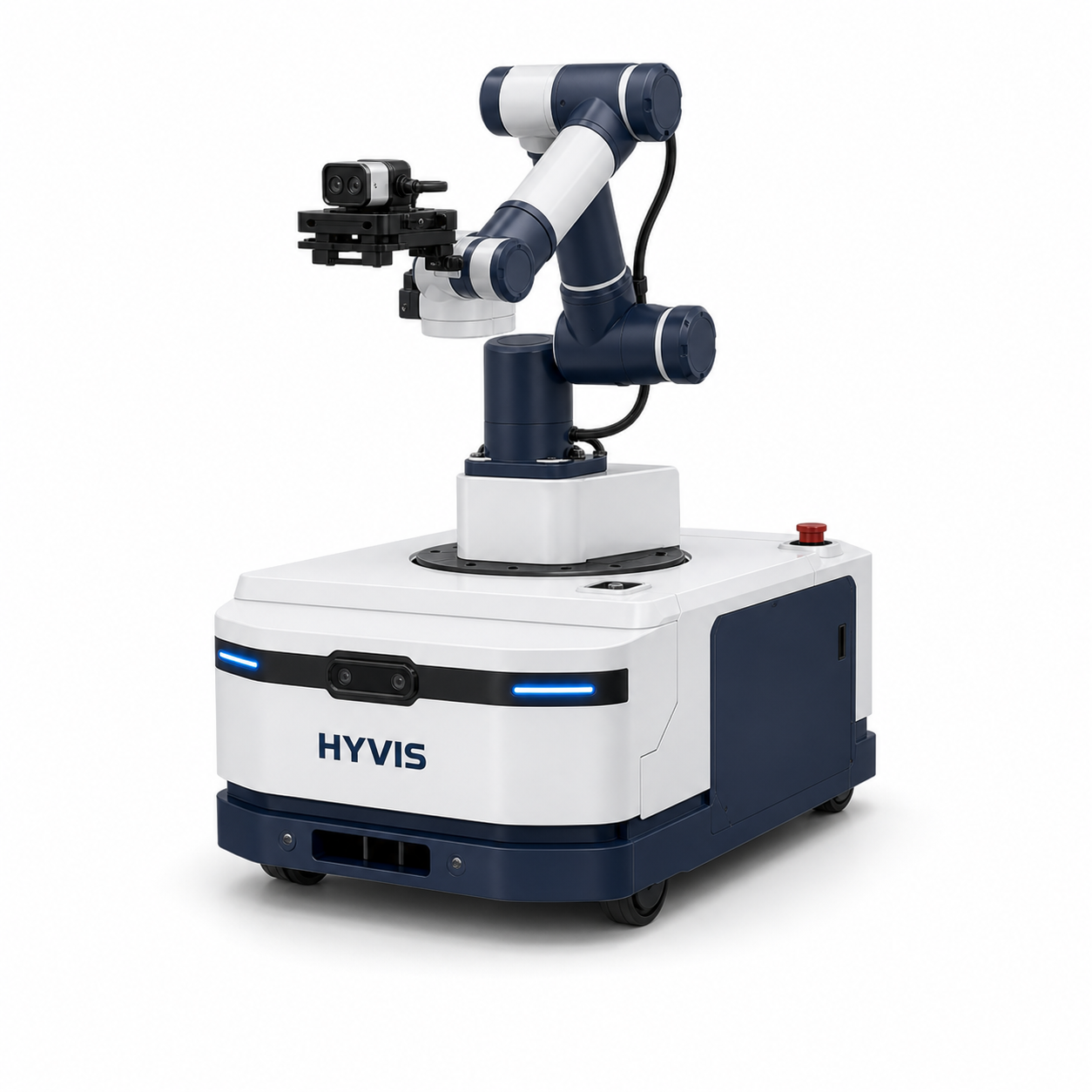
Mobile operation baseSupervised mobilityTask-specific routeTool or arm moduleControlled remote intervention

Start with the route

Which platform can reach the task safely and consistently?

Share the workplace, route and task. HYVIS will recommend a focused platform configuration for site and pilot validation.